All Categories
Featured
Comparing Modern Vs. Traditional Cloud Asset Governance
Enhancing Asset Efficiency Through Strategic Governance

Future-Proofing Digital Asset Management for 2026
Table of Contents
Poor resource planning costs organizations billions each year due to missed out on due dates, tired teams, and opportunities that better-prepared rivals take. The ripple effects touch everybody in your organization, from annoyed supervisors to overwhelmed frontline workers who try to fulfill impossible needs with insufficient resources. Smart resource allocation forms the backbone of successful project management.
Whether you run manufacturing lines, coordinate shipments, or deploy IT systems, how you designate resources straight impacts your revenues and group satisfaction. This guide provides you proven frameworks, useful metrics, and real techniques to change resource allotment from a consistent scramble into your one-upmanship. Resource allowance is everything about putting your possessions exactly where they'll do the most great.
Imagine putting your finest tools, individuals, and money right where they'll make the biggest effect, type of like a chess player setting up their pieces for a winning move. This idea pops up all over in service. Economists use it to determine how societies give out their restricted resources. In project management, resource allowance implies wisely assigning your group, equipment, money, and time to different jobs.
Balancing Cloud Costs Vs Performance Metrics
Excellent resource allocation guarantees you hit targets within your restraints while avoiding waste. When you assign resources successfully, you create a roadmap for deploying your most valuable properties where they'll generate the highest returns, instead of spreading them too thin throughout too numerous priorities. Effective resource allocation identifies prospering business from those constantly missing deadlines and budget plans.
Tech teams face even greater stakes with resource choices., designating individuals based on complementary skills rather than just who's readily available assists teams work more cohesively. Departments share understanding more freely, producing ingenious services that separated work never ever produces.
Aligning IT Governance With Strategic Efficiency
Expert services companies that preserve usage rates in between 70-85% usually discover the sweet spot in between performance and preventing burnout. You prevent the classic problem of some employee drowning in work while others with comparable abilities sit idle, questioning what to do next. Balanced work and clear expectations boost worker fulfillment.
When you distribute work relatively based on capability and capability, your team feels valued instead of stressed out or underused. This method not just balances workloads but likewise assists to enhance staff member engagement, leading to lower turnover and greater quality work from motivated employees who understand their role in the bigger picture.
Streamlining Resource Distribution Across Enterprise InfrastructuresProduction companies that use resource leveling techniques frequently cut functional expenses by 15-20% while delivering much faster. You invest less on overtime, lower waste from inefficient processes, and prevent the surprise costs of delays and remodel that pester poorly prepared jobs. Proper allowance amplifies group output by matching jobs to the right abilities at optimum times, resulting in considerable improvements in office performance.
When people work on jobs lined up with their strengths during their peak hours, both quality and speed enhance significantly. By keeping buffers and cross-training group members, you lower the impact of ill days, equipment failures, or unexpected concern shifts.
Critical ROI Metrics for 2026 EnterpriseEvaluating Proven Frameworks for Enterprise Efficiency
Organization resources come in two tastes: concrete and intangible. Tangible properties keep daily operations running, while intangible resources sustain long-term development and market distinction.
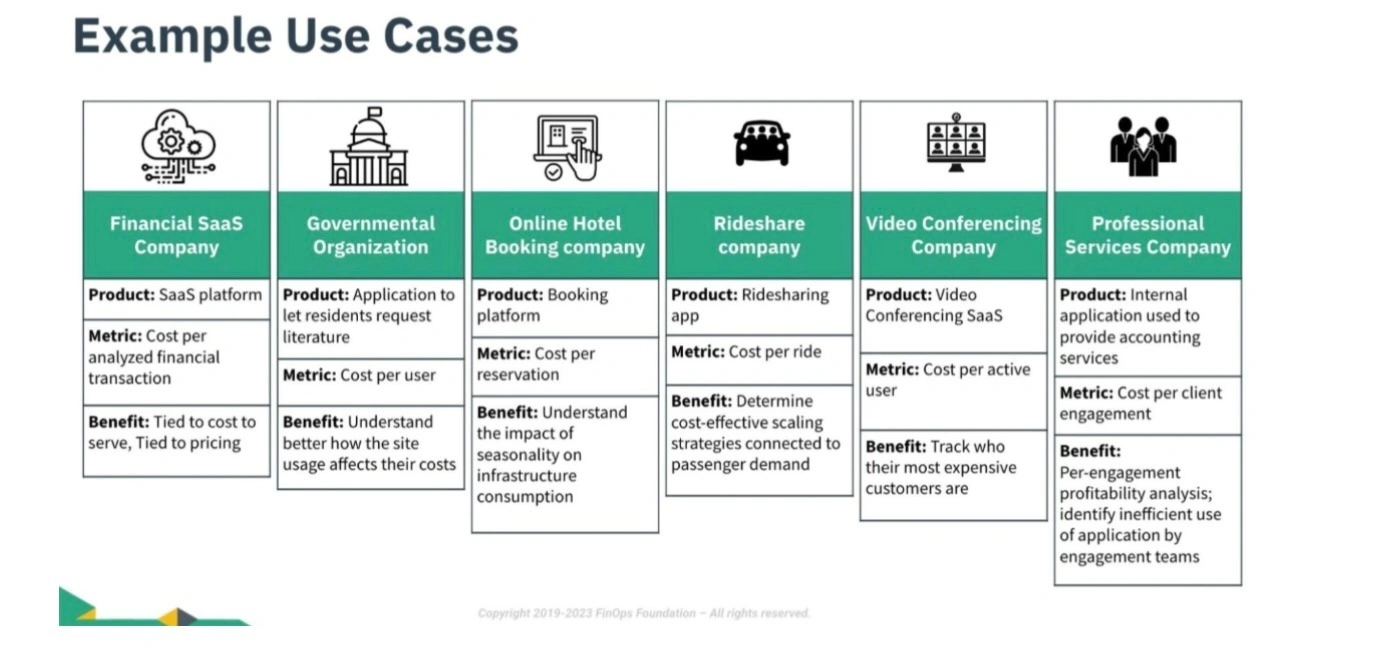
These possessions use simple evaluation with clear market value, however they wear down with time and require maintenance. Manufacturing business need to budget for equipment upkeep and eventual replacement and typically deal with scheduling problems due to equipment downtime. Logistics companies face comparable challenges as they maintain delivery fleets while planning lorry upgrades.
The advantage of concrete resources lies in their measurability. You understand precisely what you own and what it costs. The disadvantage comes from their inflexibility; as soon as you purchase particular equipment, changing instructions ends up being costly. It looks like buying a house, a significant commitment that needs significant effort to customize. Intangible resources do not have physical form but often drive one of the most worth today.

Latest Posts

Is Your 2026 IT Budget Optimized?
Aligning Cloud Governance With Strategic Efficiency

Comparing Modern Vs. Traditional Cloud Asset Governance