All Categories
Featured
Table of Contents
Hi I am constructing a program where trainees are registering for an examination which is performed at several cities through out the country. While signing up trainees offer a list of three cities where they wish to offer the test in order of their choice. A trainee may say his first preference for an examination centre is New York followed by Chicago followed by Boston.
The easy method to do this would be to first go through the list of very first option of students allot as numerous as possible then go through the list of 2nd choices and allot. This may lead to the trainees who are initially in the list getting their first centre and the last trainees getting their 3rd option or worse none of their options.
Is Your Cloud Governance Strategy Scalable or Merely Functional?Organizations choose every day how to designate their resources, whether it's determining which items to produce, assigning a portfolio of EV-charging stations to make the most of roi, or combining shipments to save money on shipping costs. By creating a digital twin of the company's functional reality, Foundry leverages the digital representation of the organization to drive and optimize resource allocation decisions.
Why Does IT Governance Drive Next-Gen ROI?
Organizations are confronted with a range of such allowance and optimization problems. Resource allowance and optimization workflows require organizations to collect, tidy, transform, and design pertinent data such that optimal allocation decisions can be made. This is often done through specialized software operating on top of a single data source that can not be adapted to brand-new realities and altering organizational characteristics, or through painstaking collation of wide range information sources, spanning a multitude of spreadsheets and databases.
Subject-matter experts determine objective functions that need to be optimized or reduced, identify the relevant dynamics, and specify the system and its constraints. Relevant data that must be collected and incorporated from source systems is identified.
Is Your Cloud Governance Strategy Scalable or Merely Functional?The Foundry ML suite incorporates Machine Knowing, Expert System, Statistical, and Mathematical models with key parts of the Foundry environment and permit designs to be operationalized and their efficiency kept an eye on with time. In the EV Charging Station Allocation usage case, geographical data, monetary information, and features of the portfolio of possible charging stations are combined and scored. Related products: Simulated ideal allocations, situation candidates, or "What-If" situations are created through automated Transforms.
These opportunities take into account additional stops, rescheduled pickup/delivery appointments, and plant/customer restraints. The Load Planner then Approves, Turns Down, Consolidates, or Reassigns the Chance. Writeback of allotment decisions along with the context in which each decision was made ways that the forecasted versus real result can be compared and examined gradually.
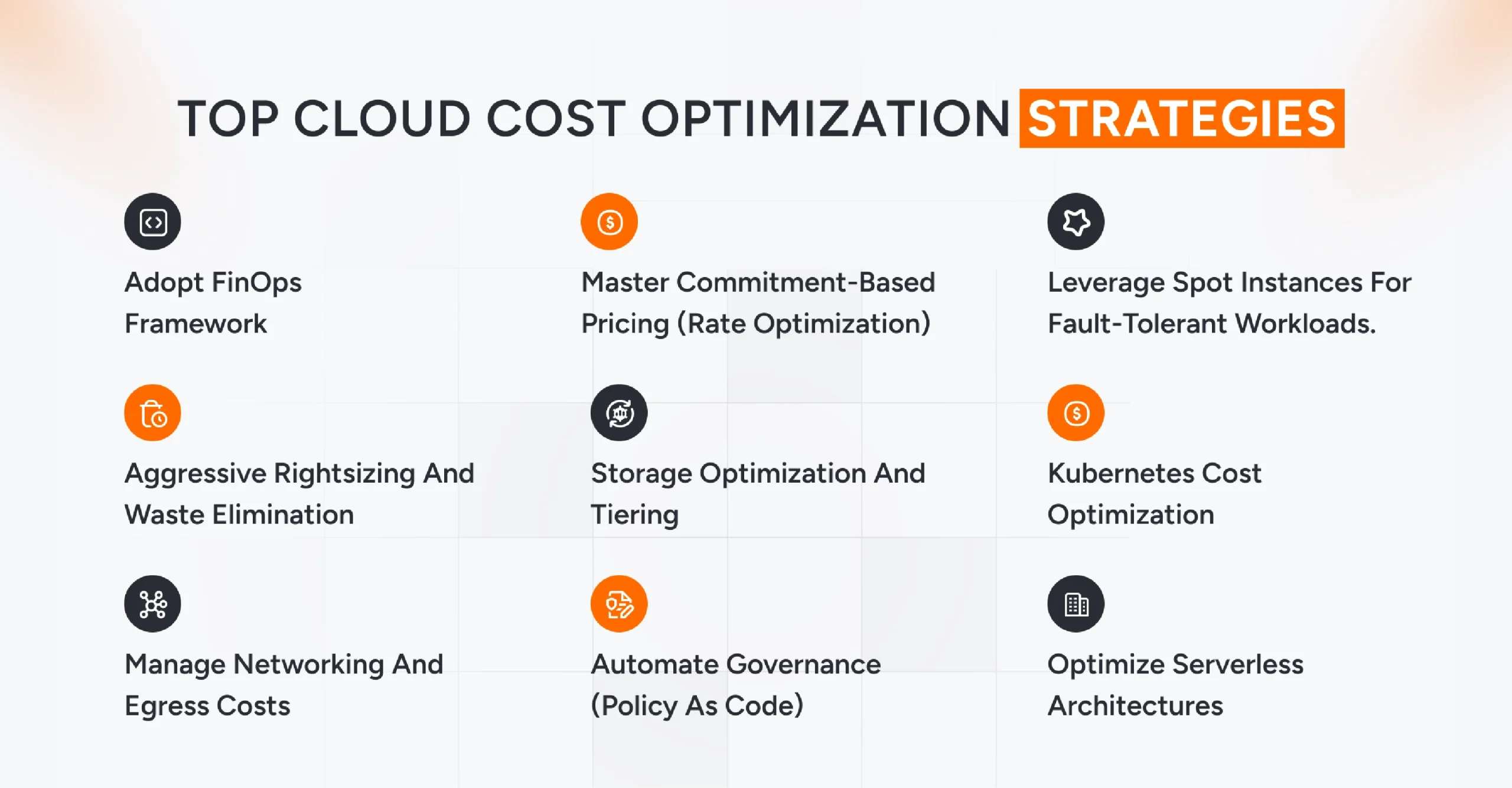
Associated items: Despite the Pattern used, the underlying information structure is constructed from pipelines and syncs to external source systems. Data combination pipelines, composed in a range of languages including SQL, Python, and Java, are used to integrate datasources into the subject ontology. Foundry can from a large range of sources, consisting of FTP, JDBC, REST API, and S3.
Achieving Seamless Resource Governance in 2026
Desire more information on this usage case pattern? Seeking to implement something similar? Get going with Palantir. .
The type of problem most typically determined with the application of direct program is the problem of distributing limited resources amongst alternative activities. The limited resources are the times available on the machines and the alternative activities are the private production volumes.
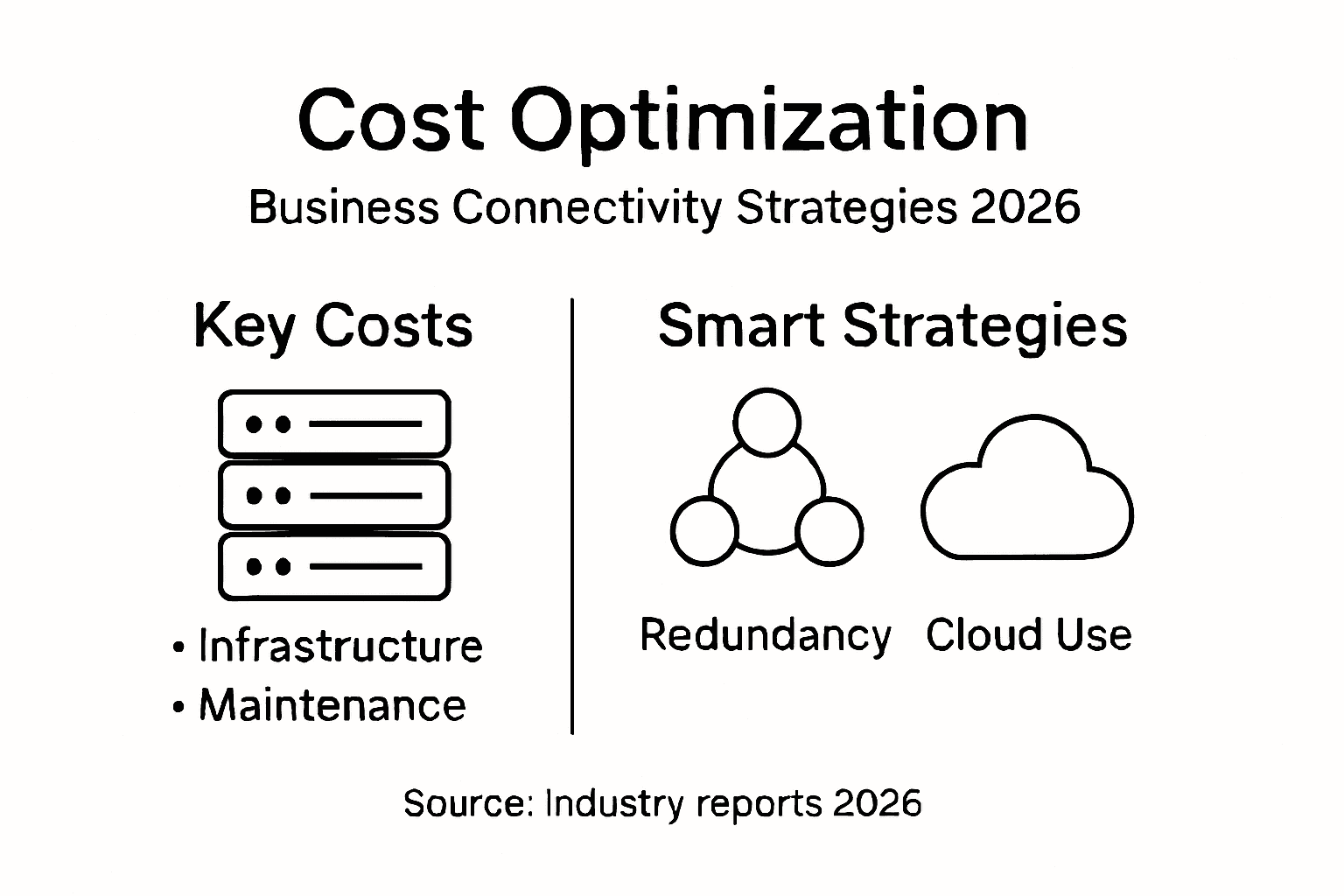
With the exception of item 4 that does not require machine 1, each item should pass through all 4 machines. The system revenues are likewise displayed in the table. The center has 4 makers of type 1, 5 of type 2, three of type 3 and 7 of type 4.
The problem is to determine the optimum weekly production amounts for the items. The objective is to maximize total earnings. In constructing a model, the initial step is to define the decision variables; the next action is to write the constraints and unbiased function in terms of these variables and the issue data.

Latest Posts
Is Your 2026 IT Budget Optimized?
Aligning Cloud Governance With Strategic Efficiency
Comparing Modern Vs. Traditional Cloud Asset Governance